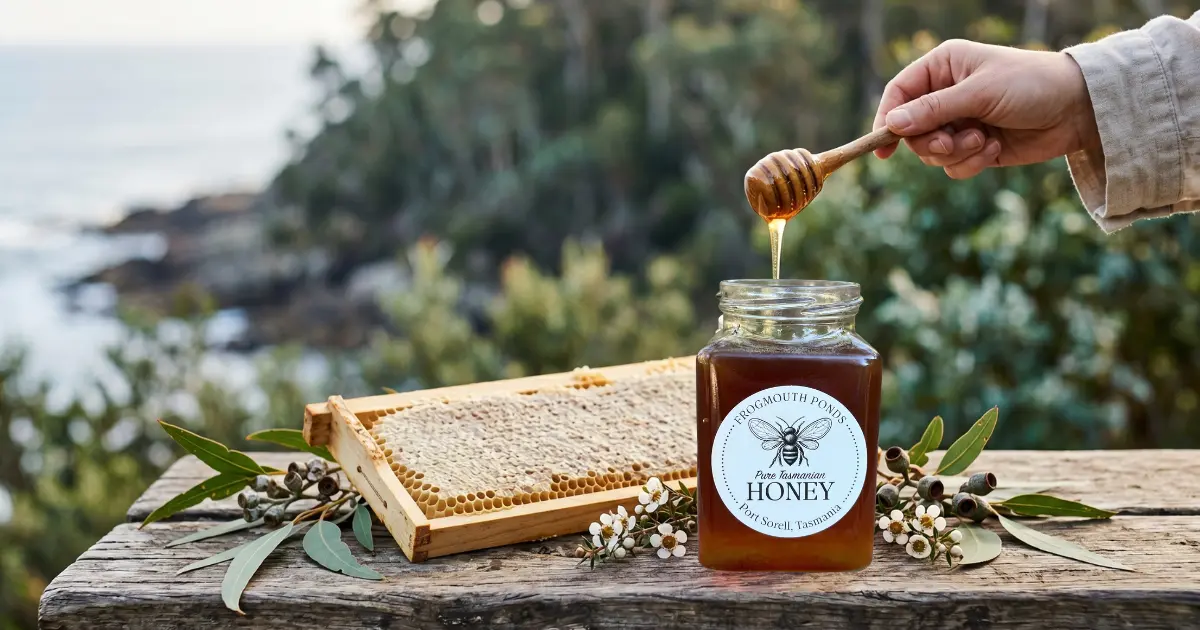
What’s the Difference Between Raw Honey and Regular Honey?
From the Apiary · Frogmouth Ponds What’s the Difference Between Raw Honey and Regular Honey? Understanding cold extraction and why ...
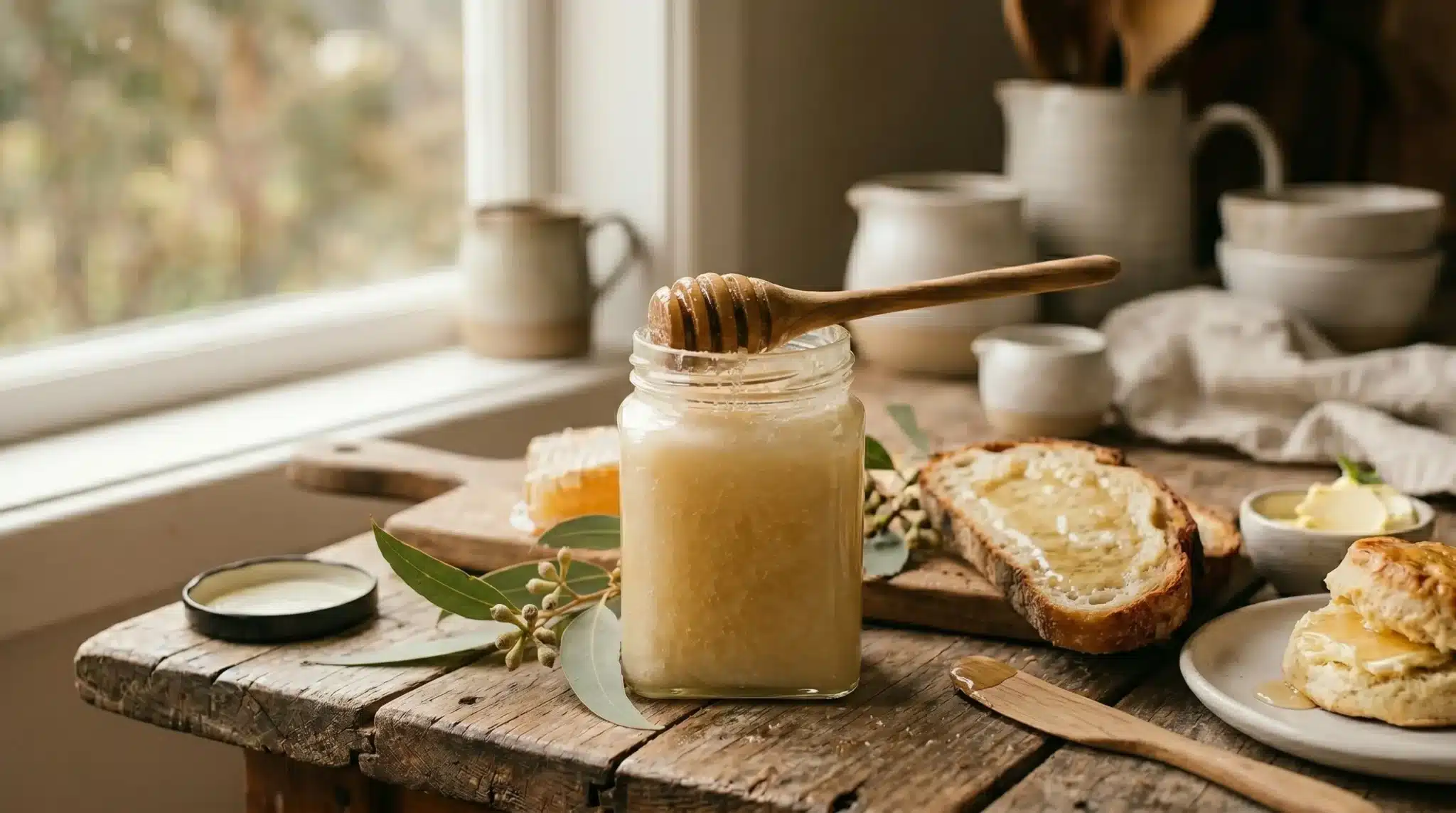
Why Does Honey Crystallise (and Is It Still Good to Eat?)
Honey Science Why Does Honey Crystallise (and Is It Still Good to Eat?) Understand the natural process behind crystallised honey, ...
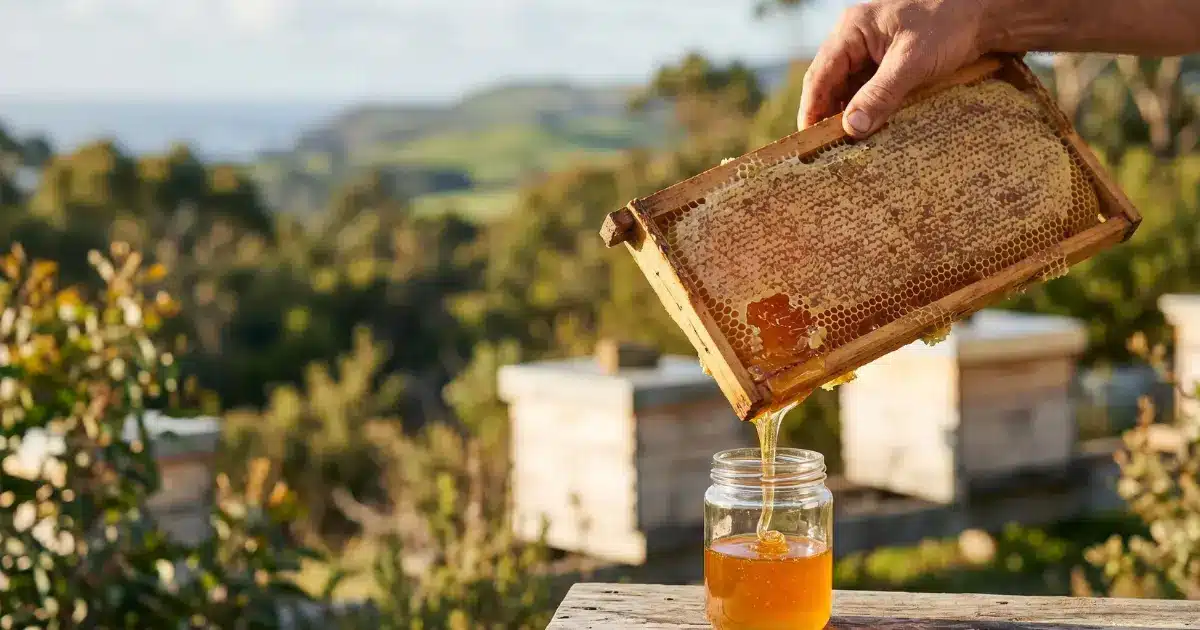
Raw Tasmanian Honey — What It Is and Why It Matters
From the Apiary — Port Sorell, Tasmania Raw Tasmanian Honey — What It Is and Why It Matters Most honey ...
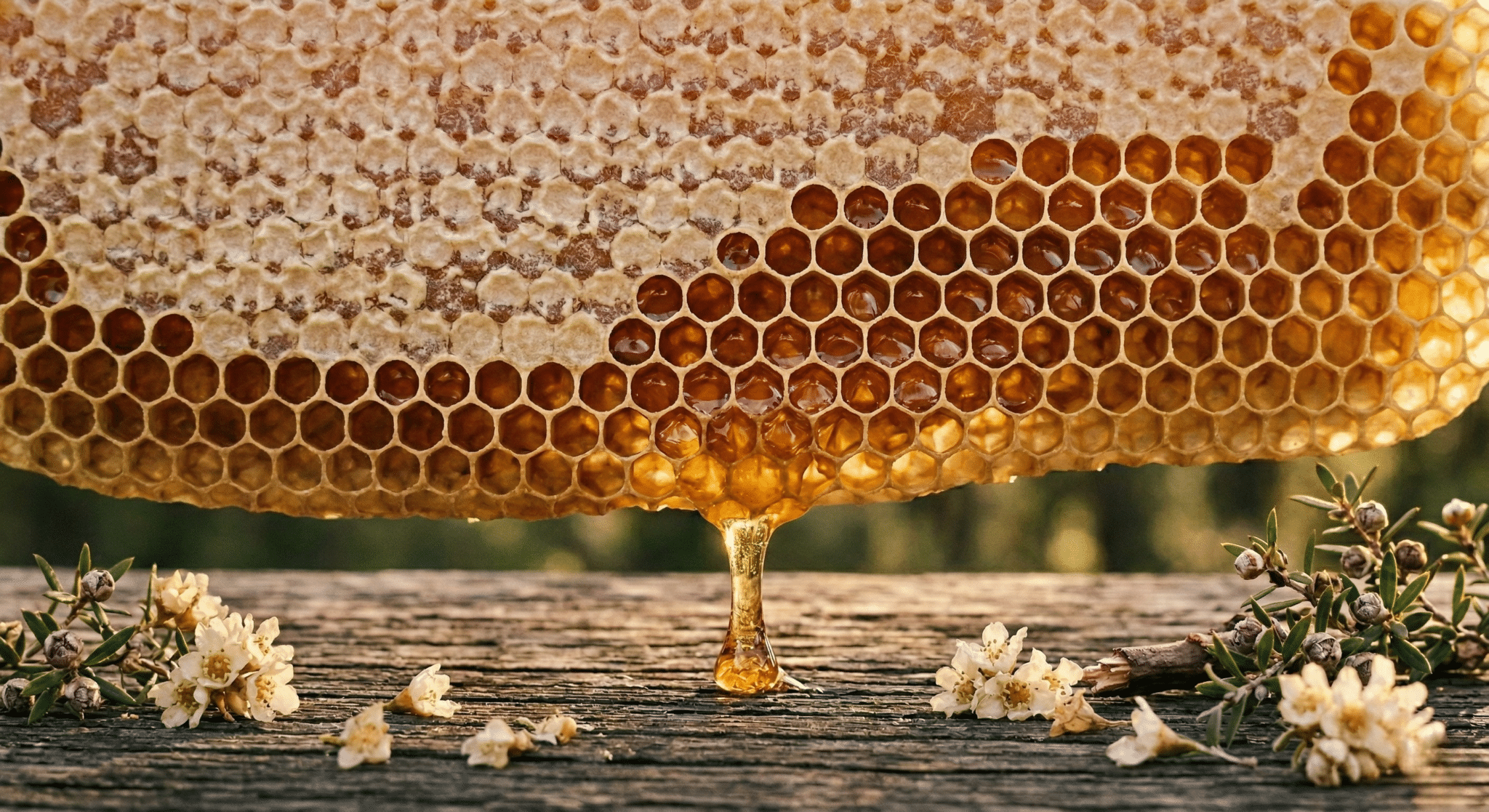
Why We Use Tasmanian Beeswax in Every Lip Balm We Make
Most lip balms are built on petroleum. Ours aren't. Here's what pure Tasmanian beeswax actually does — and why it's the foundation of every Frogmouth ...
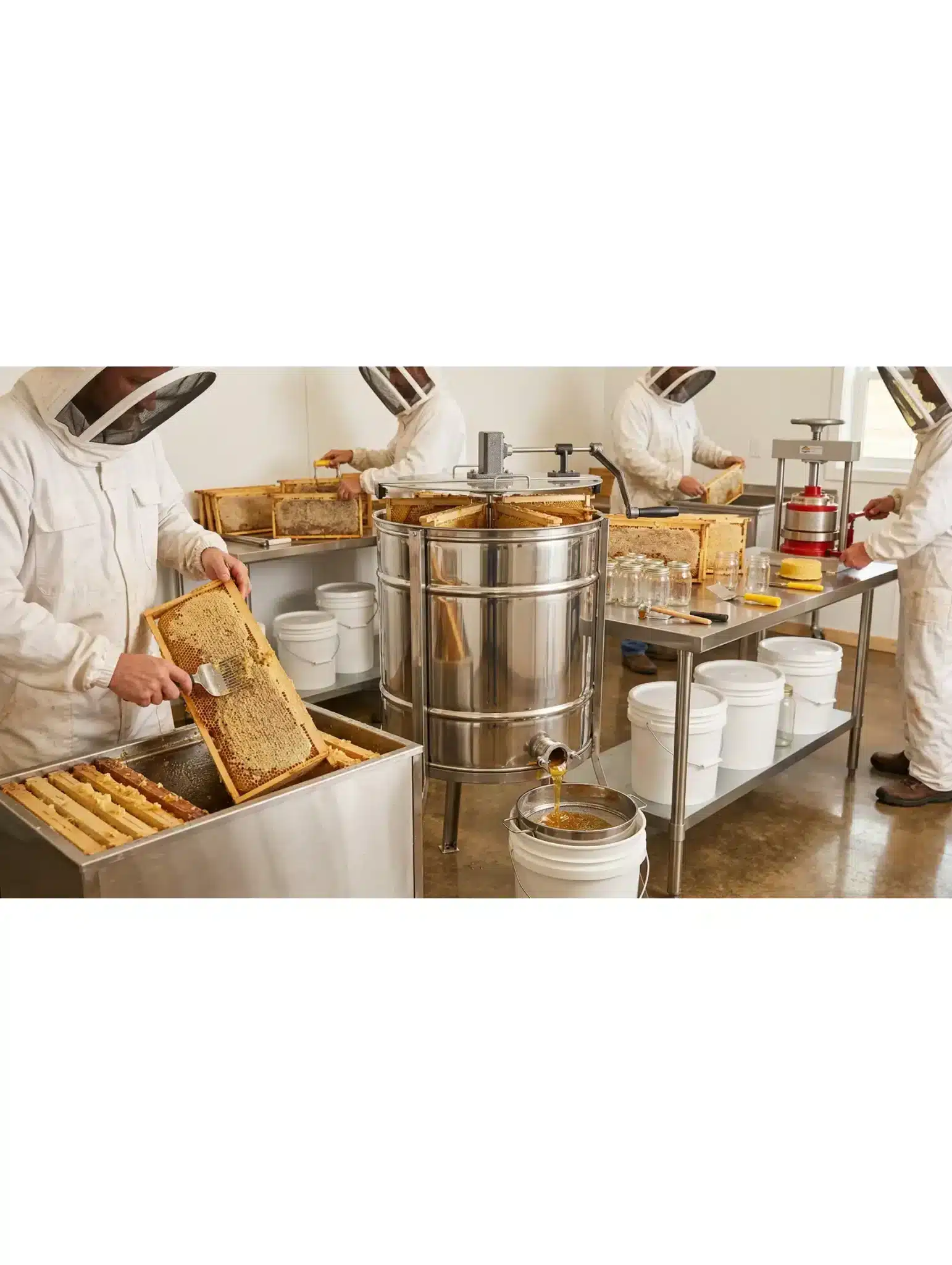
From Hive to Jar: How We Cold-Extract Our Honey
Most honey you buy has been heated, blended, and ultra-filtered. Ours hasn't. Here's exactly how we extract it — and why every step matters.
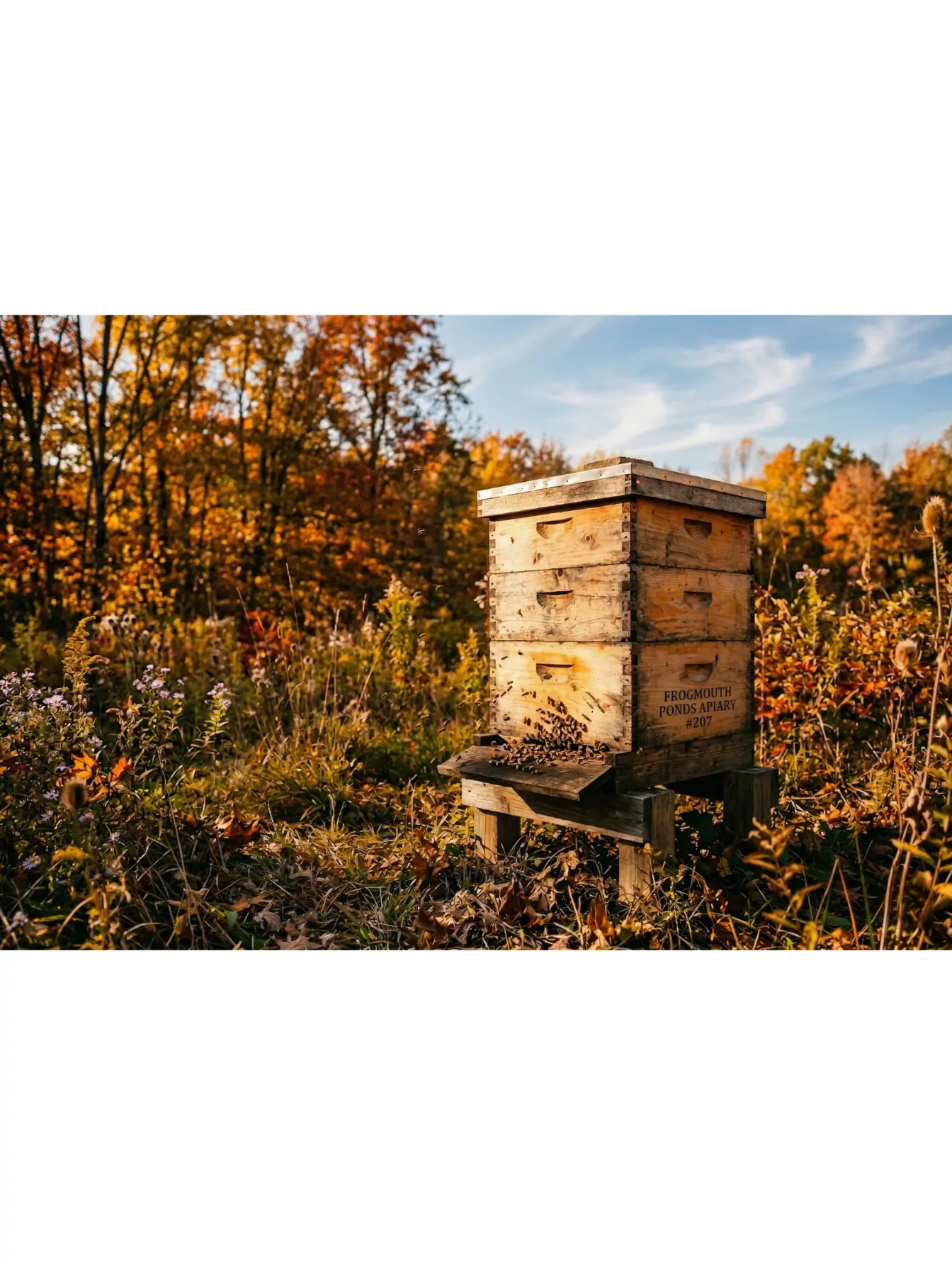
Preparing for Winter: Honey Out, Boxes In
Autumn wrap-up at the Port Sorell apiary: last honey pulled, winter stores confirmed, trees trimmed, and the workshop gearing up for a season of box-building.
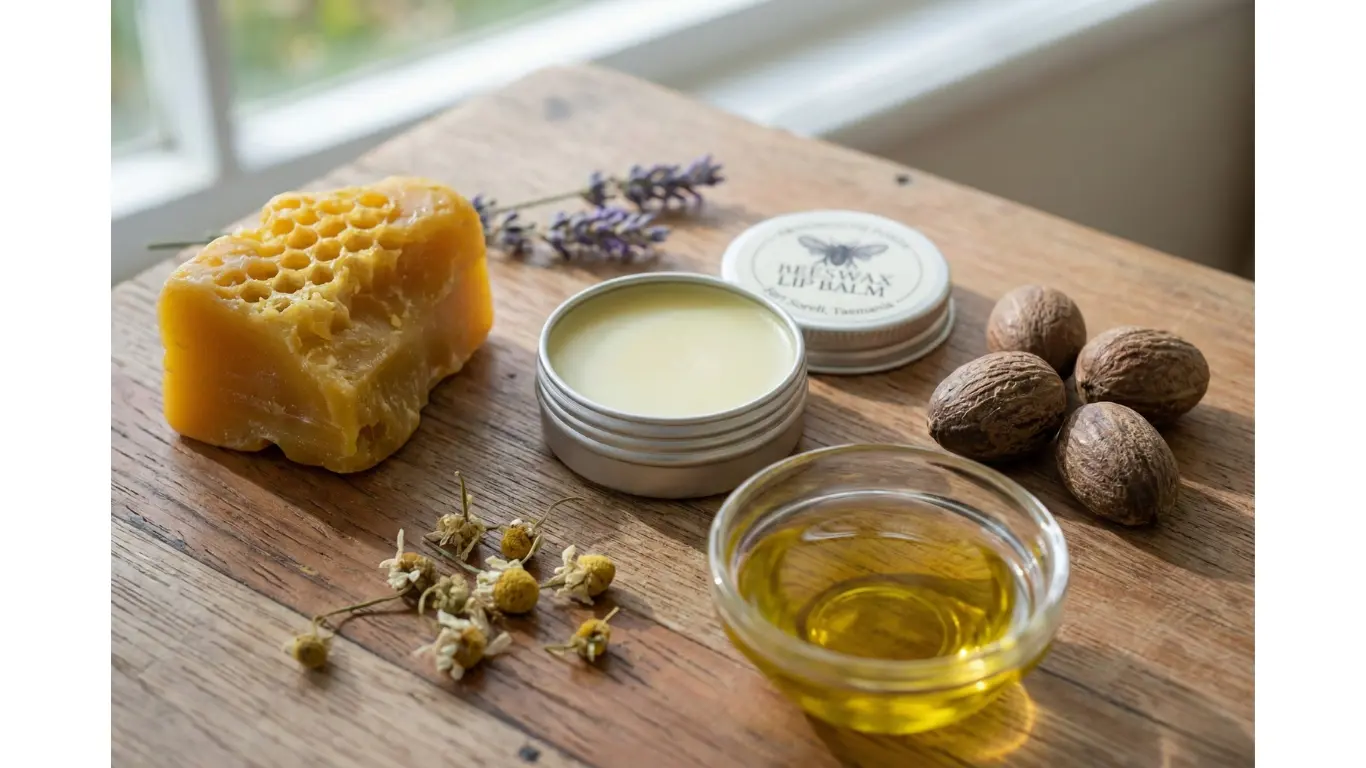
What’s Actually in Your Lip Balm? How to Read the Label — and Why It Matters
What’s Actually in Your Lip Balm? How to Read the Label — and Why It Matters | Frogmouth Ponds The ...
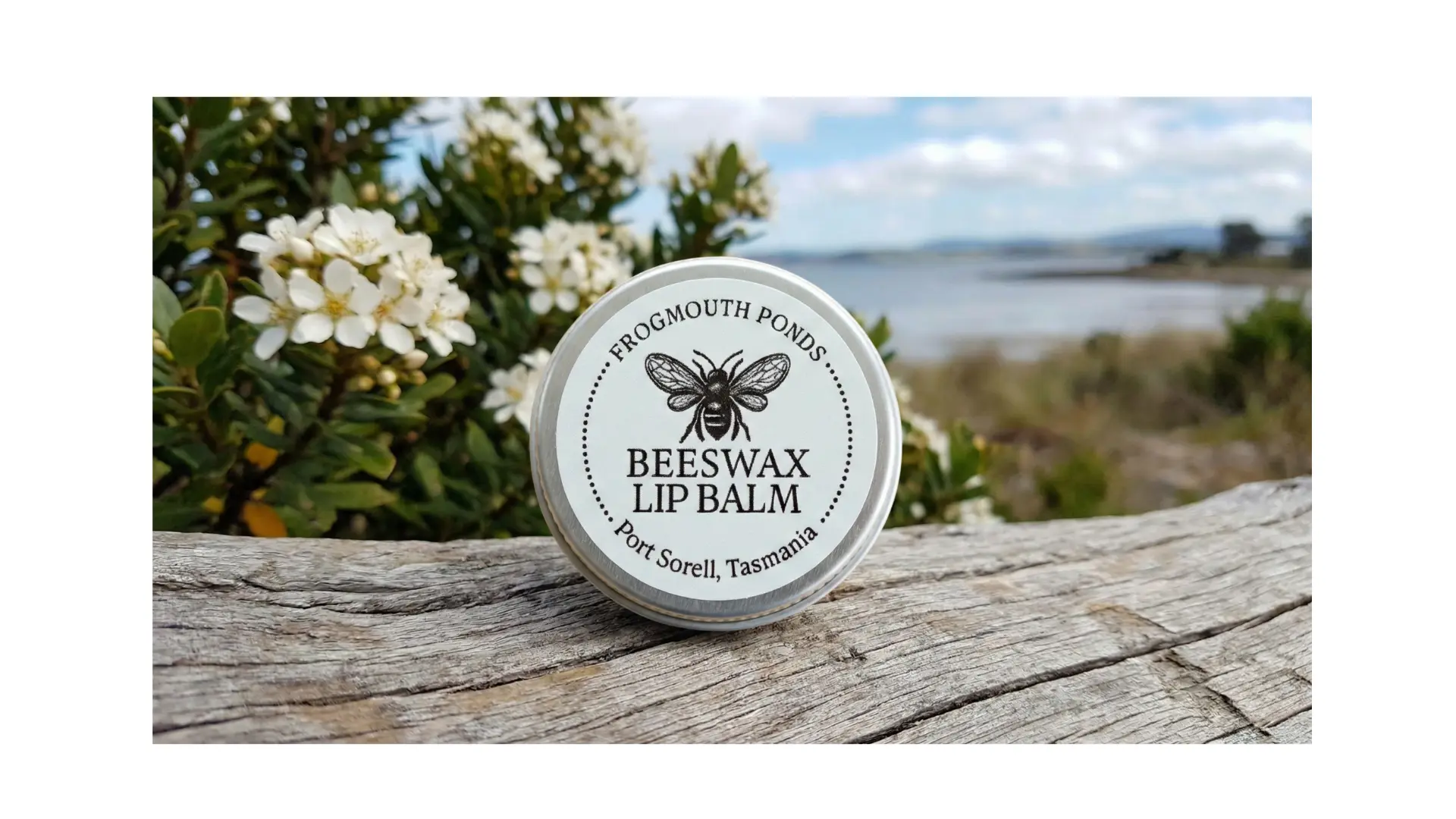
Why Your Lips Need a Tasmanian Beeswax Lip Balm — And Why One Tin Is Never Enough
Discover why our hand-poured Tasmanian Beeswax Lip Balm is the only lip care you’ll ever need — and why the 3-Pack is the smartest way ...

Tasmanian Leatherwood Honey: The World’s Rarest
Discover why Frogmouth Ponds' Tasmanian Leatherwood Honey—from trees found nowhere else—blooms just six weeks yearly, making it rarer than you ever imagined