
Buy Raw Tasmanian Honey | Direct from the Apiarist
At Frogmouth Ponds, ‘Pure’ is a Scientific Standard.
Not all honey is created equal. Most supermarket honey is ultra-filtered and pasteurized, which kills the delicate live enzymes and floral aromas that make Tasmanian honey famous.
Our 2026 Harvest is
-
🌡️ Cold-Extracted: Never heated above 25°C.
-
🐝 100% Raw: Preserving live enzymes and pollen.
-
🌲 Wild-Harvested: Sourced from Port Sorell’s and Tasmania’s pristine flora.
ensuring that every jar keeps its natural enzymes, pollen and floral aroma, just as the bees intended.
What’s Actually in Raw Tasmanian Honey
-
The 4-MMA Compound: Recent scientific research has identified a world-first compound called 4-Methoxymandelic acid (4-MMA) that is unique to Tasmania’s Leatherwood honey.
-
Single Origin: Every jar is drawn from one floral source and one harvest — unblended, so each varietal keeps its own distinct character.
-
Authentication Marker: Because 4-MMA is only found in Tasmanian Leatherwood nectar, it serves as a “chemical fingerprint” that guarantees your honey is authentic and cannot be faked.
Straight From the Hive at Port Sorell
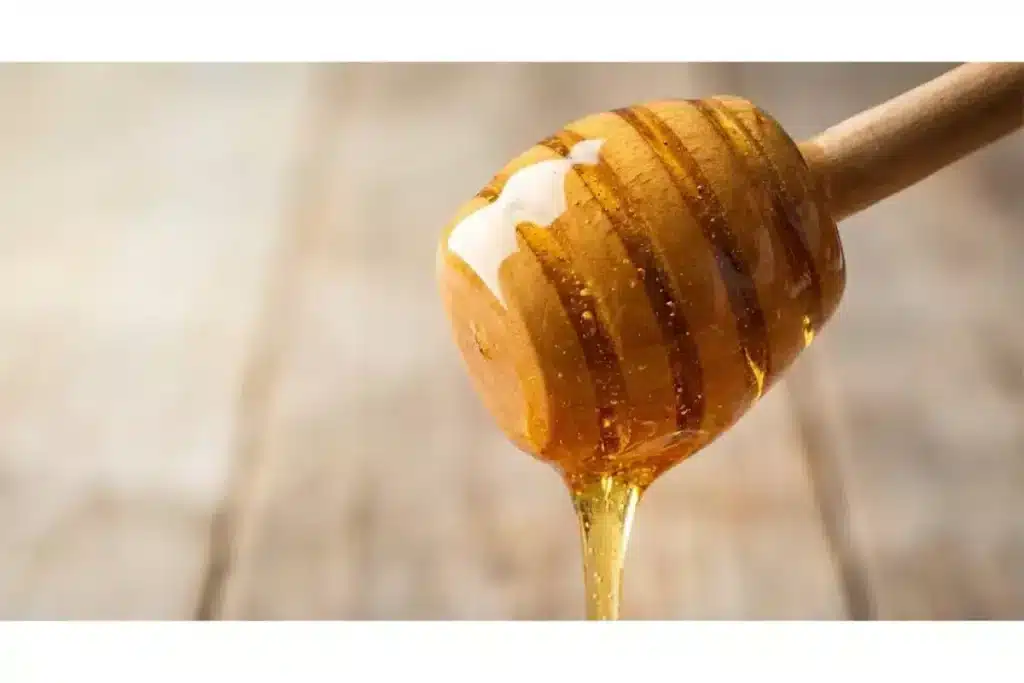
Our Promise: 100% Pure & Cold-Extracted
Experience the gold of the Tasmanian wilderness. At Frogmouth Ponds, our bees forage on the pristine coastal flora of Port Sorell to create the finest Pure Tasmanian Honey. Unlike commercial brands, we keep our honey raw and unpasteurized. By ensuring every drop is cold-extracted (never heated above 45°C), we preserve the natural enzymes, pollen, and delicate floral aromas that make our 2026 harvest what it is.
Beyond the Jar: Beeswax Skincare
Looking for more than just honey? We harness the same natural purity in our handcrafted Beeswax Skincare line. Featuring heavy-duty balms for people and pets alike, these products use our 100% raw wax to soothe and protect naturally. Browse the Skincare Collection
Honey Care & Frequently Asked Questions
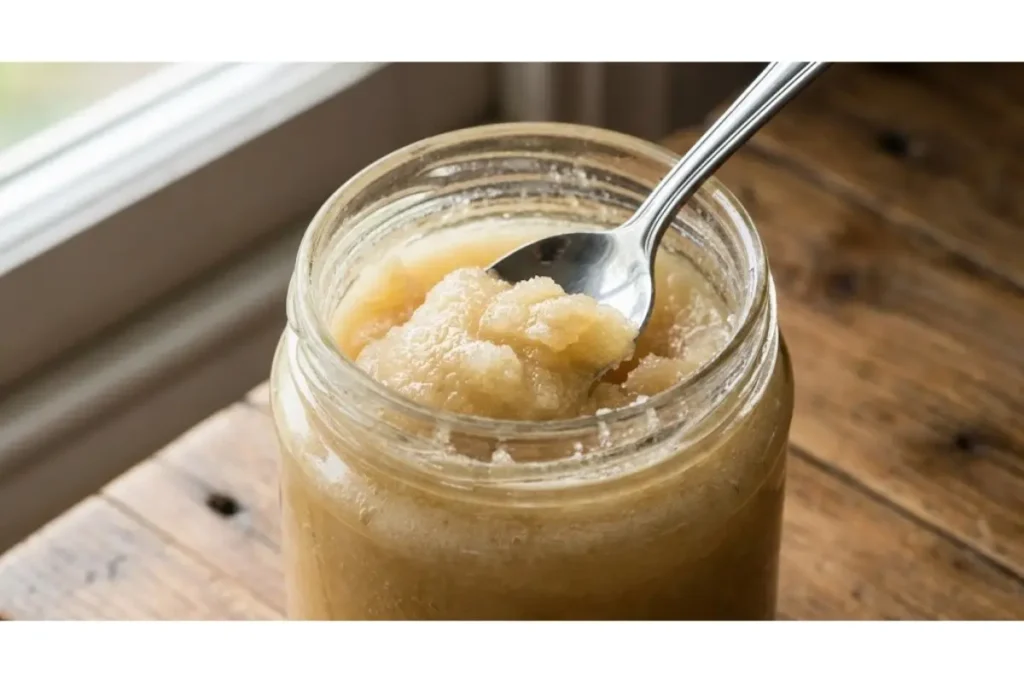
Why has my honey become solid or white?
This is a natural process called crystallization. It is the ultimate “purity test” and proof that your honey is 100% raw and unheated. Unlike supermarket honey, our cold-extracted harvest retains all its natural pollens and enzymes, which eventually bond together to form these crystals. To return it to liquid, simply place the jar in a bowl of warm water (not boiling).
Does raw Tasmanian honey ever expire
No. Because of its low moisture content and natural acidity, pure honey is the only food that truly lasts forever. While its color and texture may change over time, its character and flavour profile remain perfectly intact as long as it is stored in a sealed container away from direct sunlight.
Why does cold-extraction matter?
Most commercial honey is heat-treated (pasteurized) to keep it liquid for longer, but this destroys the delicate 4-MMA compounds and active enzymes that make Tasmanian Leatherwood so distinctive. By never heating our honey above 45°C, we keep the enzymes, pollen and floral aroma exactly as the bees made them.
This is a natural process called crystallization. It is the ultimate “purity test” and proof that your honey is 100% raw and unheated. Unlike supermarket honey, our cold-extracted harvest retains all its natural pollens and enzymes, which eventually bond together to form these crystals. To return it to liquid, simply place the jar in a bowl of warm water (not boiling).
No. Because of its low moisture content and natural acidity, pure honey is the only food that truly lasts forever. While its color and texture may change over time, its character and flavour profile remain perfectly intact as long as it is stored in a sealed container away from direct sunlight.
Most commercial honey is heat-treated (pasteurized) to keep it liquid for longer, but this destroys the delicate 4-MMA compounds and active enzymes that make Tasmanian Leatherwood so distinctive. By never heating our honey above 45°C, we keep the enzymes, pollen and floral aroma exactly as the bees made them.
Frogmouth Ponds products are food and cosmetic goods, not therapeutic goods. The information here is general and is about flavour, origin and craft — it is not health or veterinary advice. Honey should not be given to infants under 12 months.